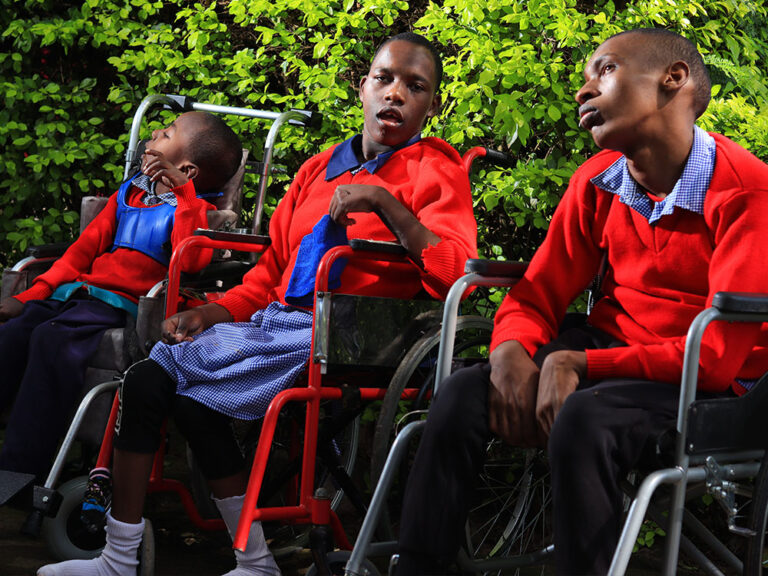


Autism Spectrum Disorder (ASD) is a developmental condition that affects communication, behavior, and social interaction. Early recognition and supportive care are essential for helping children with autism thrive.
 What Is Autism?
Autism Spectrum Disorder is a neurological and developmental condition that begins in early childhood and lasts throughout life. It affects how a person communicates, interacts socially, and behaves. The term “spectrum” reflects the wide range of symptoms and severity among individuals with autism.
 Causes of Autism
While the exact cause of autism is unknown, research suggests a combination of genetic and environmental factors may contribute:
- Genetic mutations or inherited traits
- Prenatal exposure to certain drugs or infections
- Advanced parental age at the time of conception
- Low birth weight or complications during birth
Autism is not caused by vaccines, poor parenting, or diet—these are myths that have been widely debunked.
 Signs and Symptoms in Children
Symptoms typically appear by age 2 or 3 and may include:
 Communication Challenges
- Delayed speech or language development
- Difficulty maintaining conversations
- Limited use of gestures or facial expressions
 Social Interaction Difficulties
- Avoids eye contact
- Does not respond to their name
- Prefers to play alone or shows little interest in peers
 Repetitive Behaviors
- Repeating words or phrases (echolalia)
- Hand-flapping, rocking, or spinning objects
- Strong attachment to routines or specific objects
 Sensory Sensitivities
- Overreacts or under reacts to sounds, lights, textures, or pain
Not all children show every symptom, and severity can vary widely.
 Caring for a Child with Autism
 Early Intervention
- Speech therapy to improve communication
- Occupational therapy for daily living skills
- Behavioral therapy (e.g., ABA) to manage behaviors and build social skills
Educational Support
- Individualized Education Plans (IEPs)
- Special needs schools or inclusive classrooms
- Visual aids and structured routines
Family and Emotional Support
- Parent training and counseling
- Support groups for caregivers
- Encouraging play and social interaction
Medical Care
- Regular checkups to monitor development
- Medications may help manage symptoms like anxiety or hyperactivity (under medical supervision)
Community Involvement
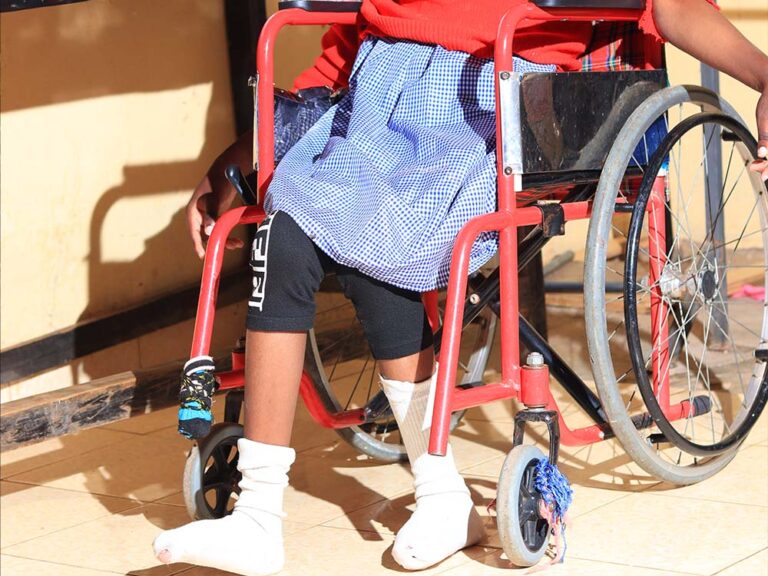
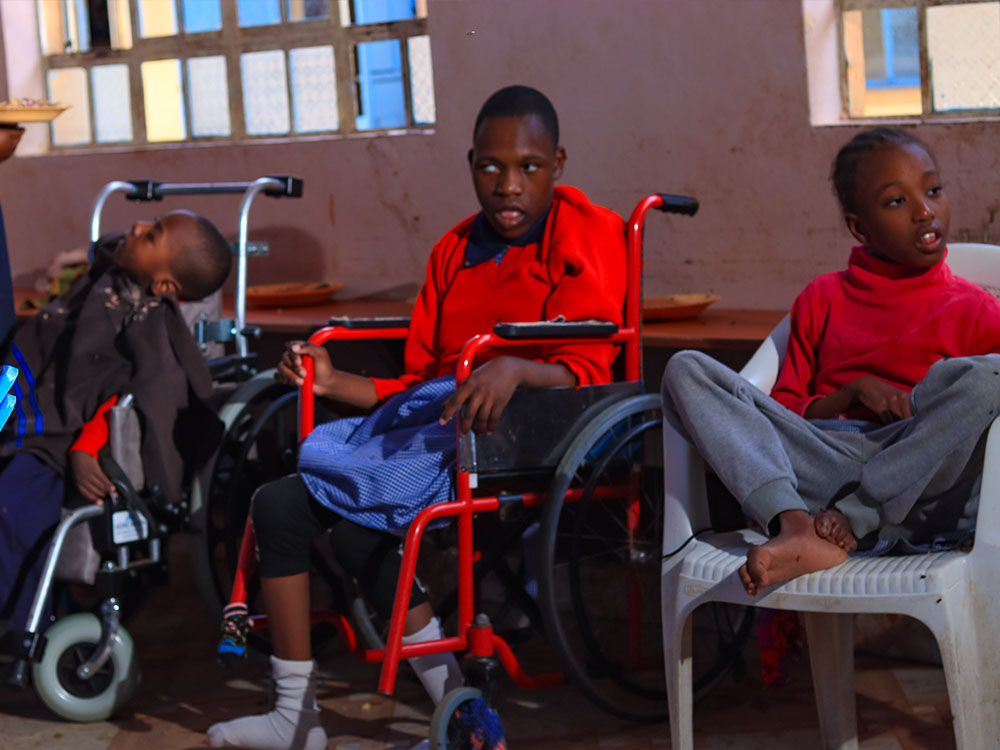
Organizations like Ezekiel Special Needs School play a vital role in supporting children with autism through education, therapy, and community engagement. Donations, volunteering, and partnerships can help expand these services and reach more families in need.
Sources: