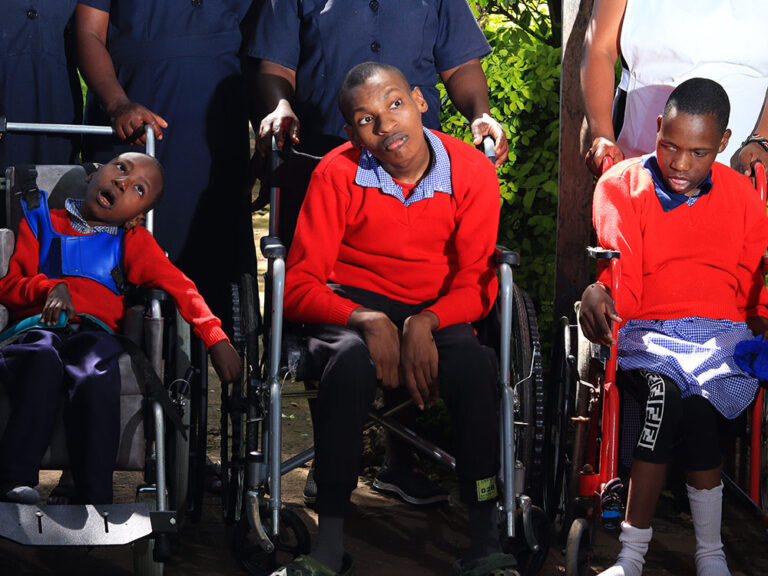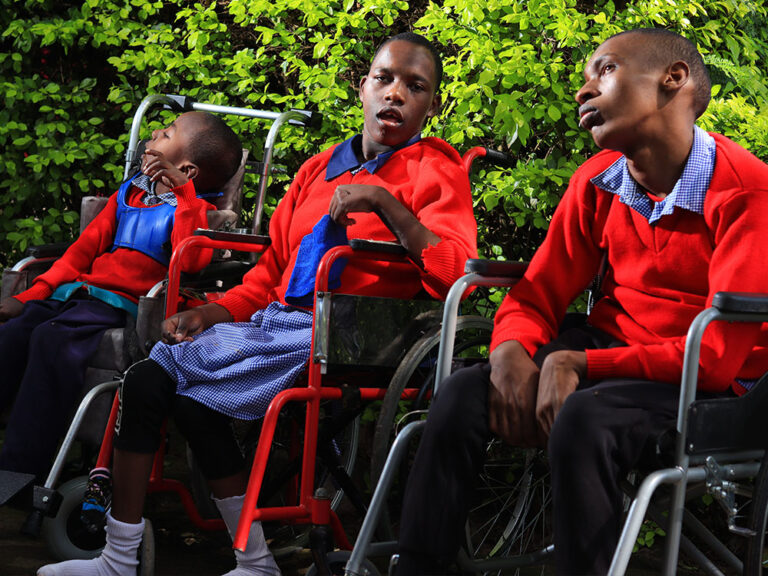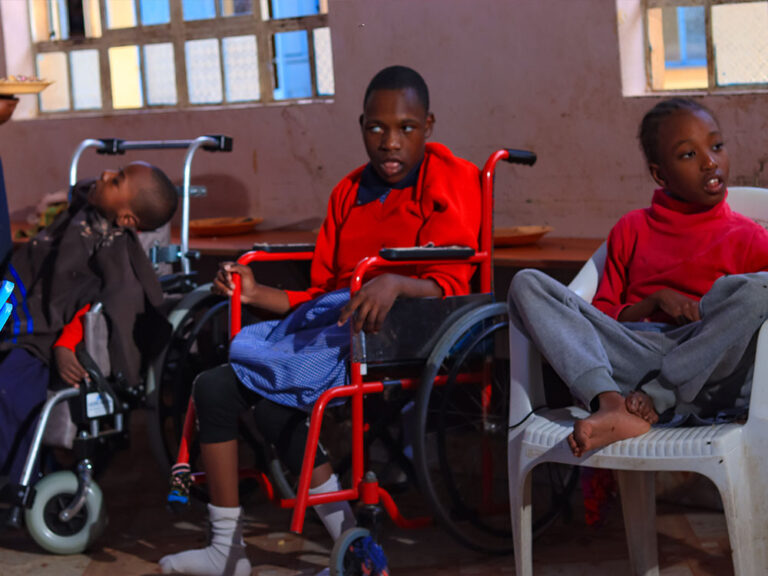


Children with Cerebral Palsy (CP) and Autism Spectrum Disorder (ASD) face unique challenges that affect how they move, communicate, and experience the world. While these conditions differ in cause and presentation, they share a common need for understanding, inclusion, and consistent support from family, caregivers, and the community.
Cerebral Palsy: Overcoming Barriers of Movement
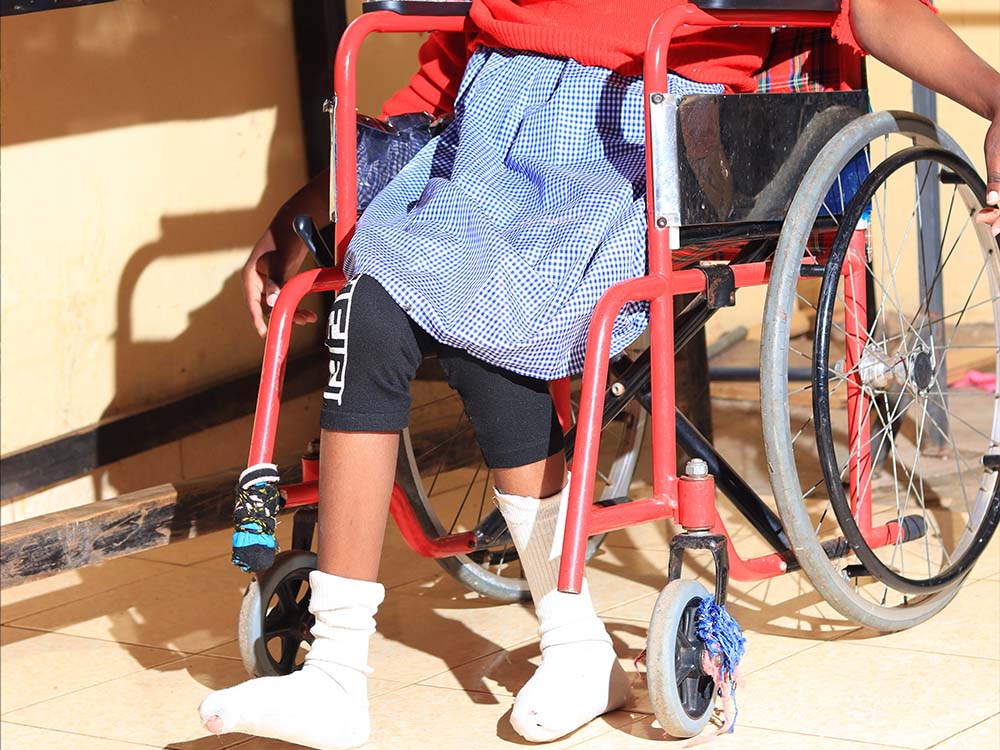
Cerebral Palsy is a lifelong condition that affects muscle control and coordination. It often results from brain injury or oxygen deprivation before or during birth. The effects can range from mild weakness in one limb to severe physical disabilities that require assistive technology, wheelchairs, or full-time care.
Children with CP may face difficulties with posture, balance, and fine motor activities such as writing or feeding. However, with physiotherapy, occupational therapy, and adaptive learning methods, they can achieve remarkable progress. Encouraging self-reliance, celebrating small victories, and providing accessible environments enable these children to experience independence and dignity.
Beyond physical limitations, many children with CP also face social and emotional challenges. They may feel isolated or misunderstood due to their physical differences. Creating inclusive spaces where they can learn, play, and interact with peers helps nurture their confidence and sense of belonging.
Autism Spectrum Disorder: Embracing a Different Way of Seeing the World
Autism is not an illness but a different way of thinking and perceiving. It affects how individuals communicate, process sensory information, and build relationships. The term “spectrum” reflects the wide variety of abilities and behaviors—some children may have strong verbal skills but struggle with social cues, while others may be non-verbal yet excel in visual or creative expression.
Routine, predictability, and a calm environment are essential for children with autism. Sudden changes or overstimulation can cause distress, so structured routines and sensory-friendly classrooms are vital. Teachers and caregivers play a key role in recognizing triggers, adapting communication methods, and reinforcing positive behaviors through patience and consistency.
Children with autism often possess extraordinary talents. Many show exceptional memory, musical ability, or analytical skills. With the right guidance, these strengths can be developed into meaningful abilities that enhance their sense of purpose and self-worth.
The Power of Inclusive Education and Therapy
At the heart of progress for children with CP and ASD lies early intervention and inclusive education. Therapy must extend beyond the clinic—into classrooms, homes, and daily life. Physiotherapists, speech therapists, and special education teachers work hand in hand to design individualized plans that address each child’s unique needs.
At Ezekiel Special Needs School, we combine therapy with practical skill training, faith-based guidance, and emotional care. Our approach helps children not only improve physically and cognitively but also grow spiritually and socially. By involving parents in the learning process, we ensure that progress continues beyond school hours, creating consistency and stability in each child’s life.
Building a Compassionate Future
Supporting children with cerebral palsy and autism is a collective responsibility. It takes a community that understands, accepts, and uplifts them. Donations, volunteer work, and partnerships with professionals all contribute to creating a nurturing environment where every child has the tools to thrive.
Each child, regardless of their condition, holds infinite potential. When given love, patience, and opportunity, they can learn, create, and inspire. The true measure of a compassionate society is not in how it treats the strong, but how it embraces those who need extra care.
At Ezekiel Special Needs School, we continue to stand as a beacon of hope—empowering children with special needs to live fulfilling, dignified, and joyful lives. Through your support, we can turn challenges into triumphs and disabilities into extraordinary stories of strength and grace.