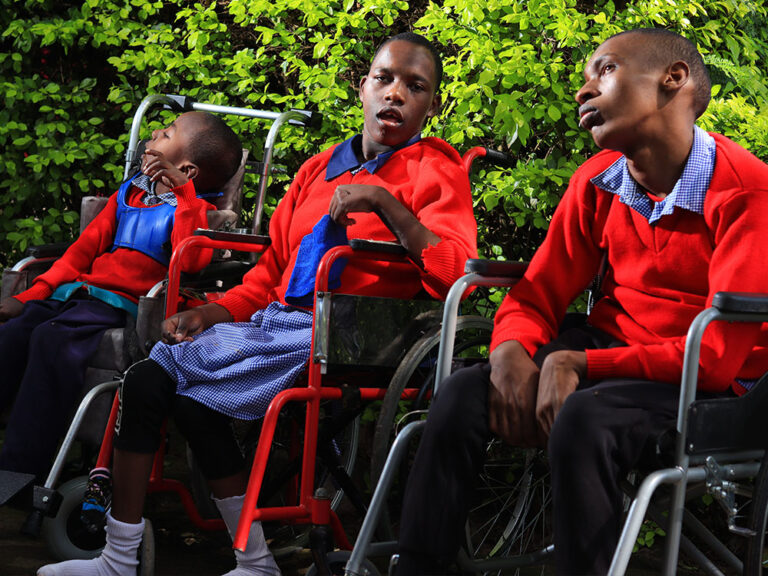

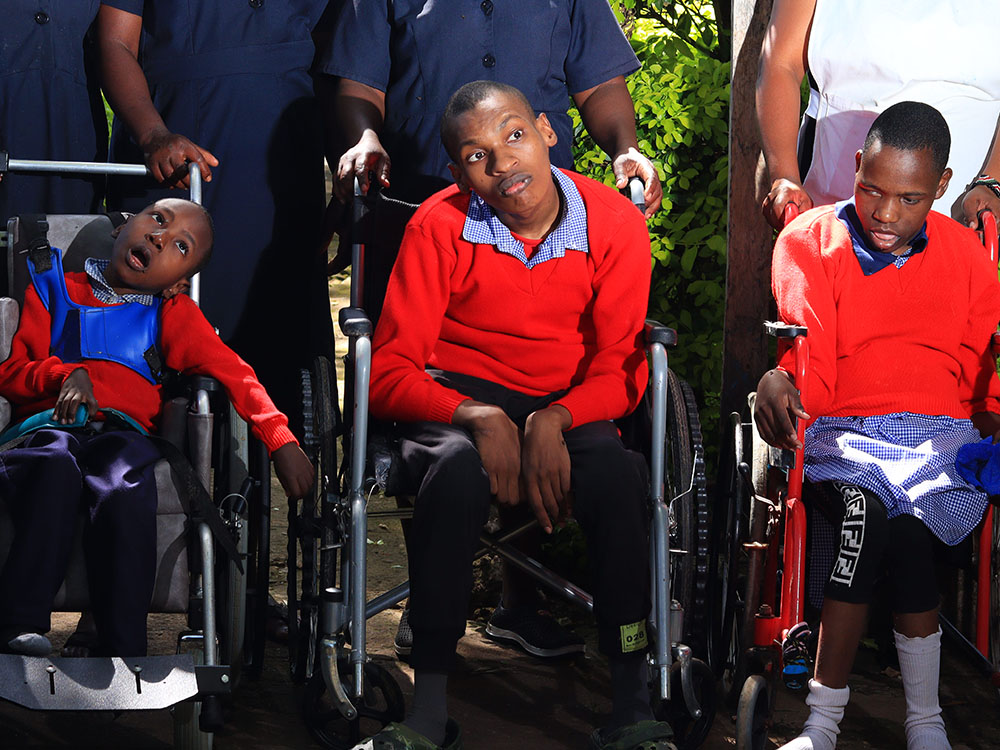

Cerebral Palsy (CP) is a neurological condition that affects movement, posture, and coordination in children. Early recognition and specialized care are essential to improving quality of life.
 What Is Cerebral Palsy?
Cerebral Palsy is caused by damage to the developing brain, often before birth, during delivery, or shortly after. It affects muscle control, motor skills, and sometimes speech and cognitive development. CP is not progressive, meaning it does not worsen over time, but its symptoms can change as a child grows
 Signs and Symptoms in Children
Symptoms vary depending on the type and severity of CP. Common signs include:
- Motor Skill Delays: Late milestones like sitting, crawling, or walking
- Muscle Tone Issues: Stiff (spasticity) or floppy (hypotonia) muscles
- Poor Coordination and Balance: Difficulty with walking, posture, or fine motor tasks
- Involuntary Movements: Jerky or uncontrolled motions (especially in dyskinetic CP)
- Speech and Swallowing Difficulties: Trouble forming words or eating safely
- Vision and Hearing Impairments: Eye muscle imbalance or reduced sensory response
- Seizures or Intellectual Challenges: In some cases, children may also have epilepsy or learning difficulties
Early diagnosis is crucial. If you notice any of these signs, consult a pediatric neurologist or developmental specialist
 Types of Cerebral Palsy
There are four main types:
- Spastic CP: Most common; causes stiff muscles and awkward movements
- Dyskinetic CP: Involves involuntary movements and muscle tone fluctuations
- Ataxic CP: Affects balance and coordination
- Mixed CP: Combines symptoms from multiple types
 Caring for a Child with CP
Effective care involves a multidisciplinary approach:
 Medical Support
- Regular checkups with pediatricians and neurologists
- Therapies: Occupational, physical, and speech therapy to improve mobility and communication
- Medications: To manage muscle stiffness or seizures
Daily Living Support
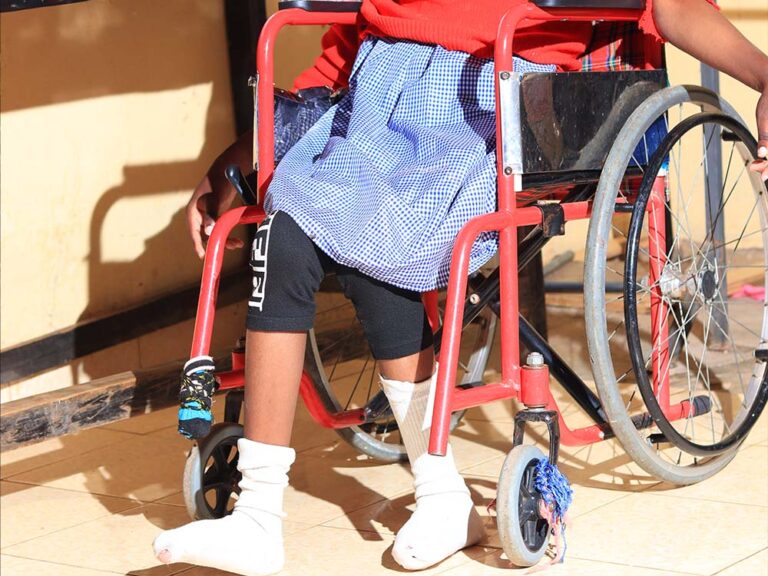
- Assistive Devices: Walkers, wheelchairs, and communication aids
- Feeding and Dressing Training: Encouraging independence in daily tasks
- Educational Programs: Tailored learning environments to support cognitive growth
Emotional and Social Care
- Family Counseling: Helps caregivers manage stress and build resilience
- Inclusive Activities: Social interaction and play are vital for emotional development
- Spiritual and Community Support: Encouragement from faith-based and local groups can be uplifting
 How You Can Help
Supporting children with CP means advocating for inclusive education, accessible healthcare, and community awareness. Donations, volunteering, and partnerships with organizations like Ezekiel Special Needs School can make a lasting difference.
Sources:
Mayo ClinicMayo Clinic – Cerebral Palsy Overview
Apollo HospitalsApollo Hospitals – Understanding CP in Children
Cerebral Palsy GuideCerebral Palsy Guide – Symptoms and Diagnosis